
Trail runner moving along a public singletrack path through spring forest
SpringTrail running basics
SummerOpen water safety
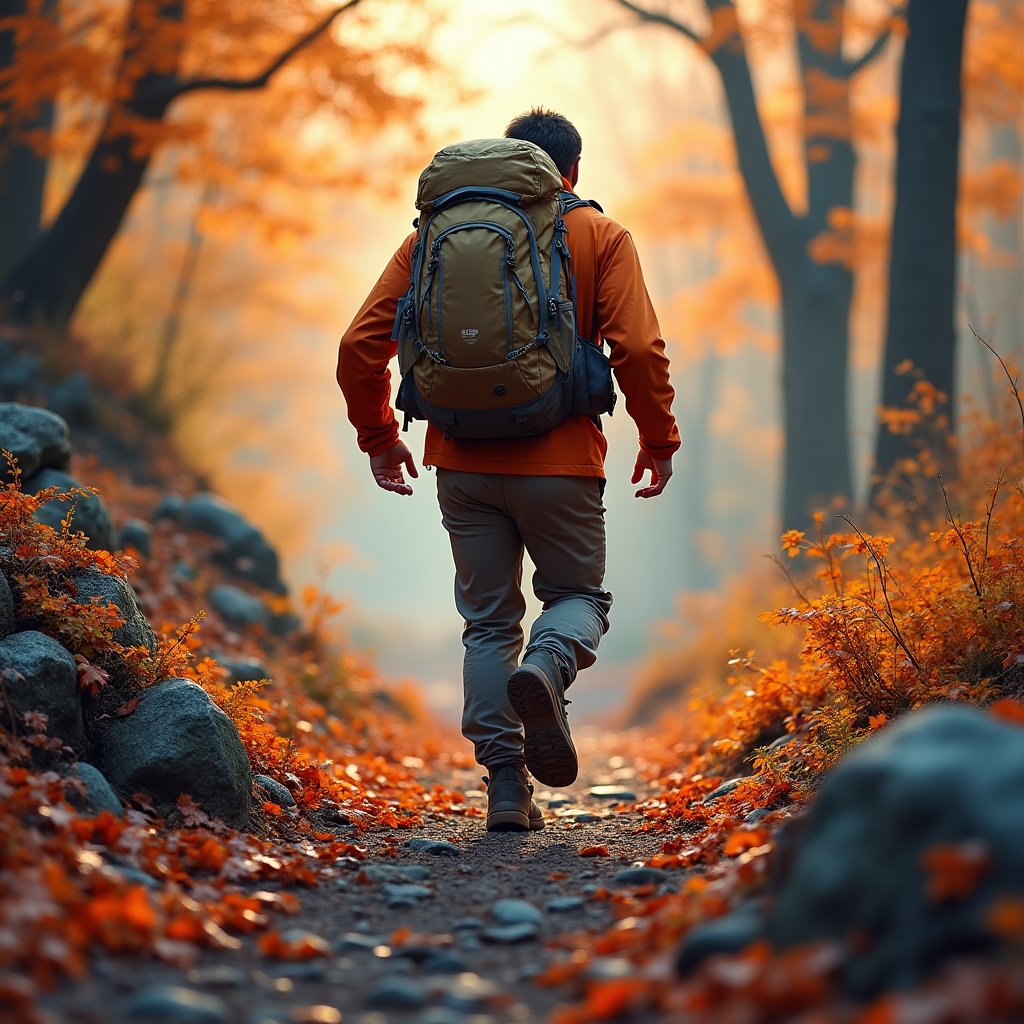
AutumnLoaded pack hikes
WinterCold weather walks

A Recorded, Self-Paced Workshop

Four Seasons of Outdoor Movement, Taught Without a Sales Pitch

This recorded workshop walks through trail running in spring, open water swimming safety in summer, loaded pack hiking in autumn, and cold weather walking in winter. Every session was filmed once and stays exactly as recorded, with no coaching upsell and no gear links attached.

Inside the Workshop

Inside the Four Seasonal Modules

Each module was recorded during the season it covers, using trail and shoreline conditions as they actually occur rather than a studio approximation. The order below follows the calendar, though the recordings can be watched in any sequence.

Runner navigating a muddy spring trail through the woods

Module 01: Spring

Trail Running on Public Singletrack

Spring sessions cover pacing on wet, uneven singletrack and how mud season changes footing from one region to another. The recording also walks through reading a trail conditions report before you ever leave the driveway.

Open water swimmer entering a public lake from a sandy shoreline

Module 02: Summer

Open Water Swimming Safety

Summer sessions focus on entry and exit points at public lakes and reservoirs, along with how to judge current, temperature, and visibility from the shoreline. Sighting technique and buddy positioning are demonstrated at an unhurried, walk-through pace.

Hiker with a loaded backpack descending a rocky autumn trail

Module 03: Autumn

Hiking With a Loaded Pack

Autumn sessions show how added pack weight changes gait, balance, and descent speed on rocky or root-covered terrain. The recording breaks down adding weight gradually across a few outings rather than all at once.

Walker in layered clothing on a packed snow trail in winter

Module 04: Winter

Cold Weather Walking

Winter sessions address footing on ice and packed snow, plus how wind chill changes the layering math compared to still, cold air. Shorter daylight and how to plan a route around it get their own short segment.

The Format

What This Workshop Actually Is

This is one recorded workshop, not an ongoing coaching program or a monthly subscription. Every session exists as it was filmed, without new upsells added after the fact.

The people behind it have logged their own seasonal trail time for years, and the material reflects that lived experience rather than a certification curriculum. Nothing in the recordings tells you which jacket brand to buy or which shoe to click through and order.

  • Recorded once, not streamed live
  • Watch in any order, at any pace
  • Built from personal trail and shoreline logs
  • No gear affiliate links anywhere

Layering, Not Buying

Dressing for the Season Without Overbuying Gear

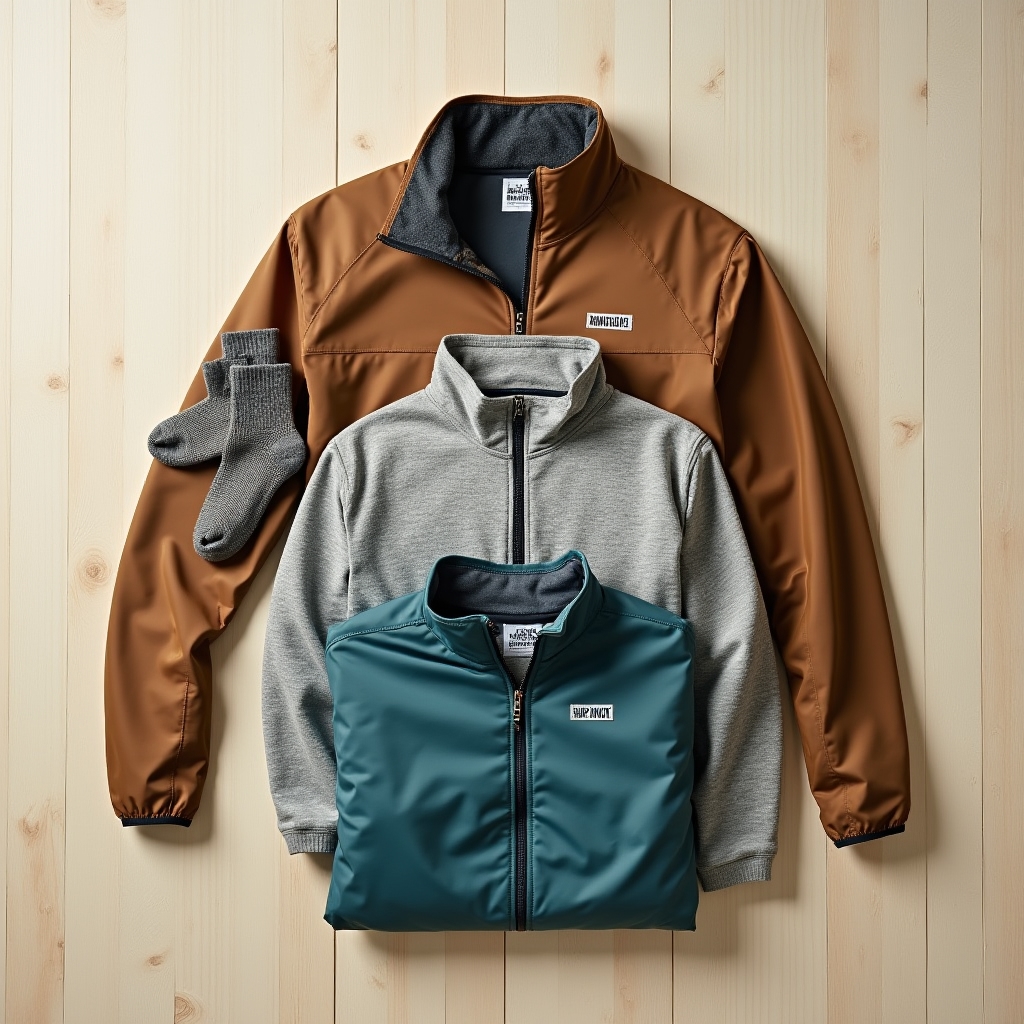
Layering questions come up in every season, and the workshop treats them as a single recurring topic instead of four separate ones. The same three-layer logic gets adjusted for wind, moisture, and temperature rather than replaced each time the calendar changes.

A base layer, a mid layer, and a shell cover almost every outdoor walk, run, hike, or swim exit covered in this workshop. What changes between seasons is fabric weight and how many of those layers you actually need on your body at once, not how many jackets sit in a closet.

Layered outdoor clothing laid out to demonstrate base, mid, and shell layers
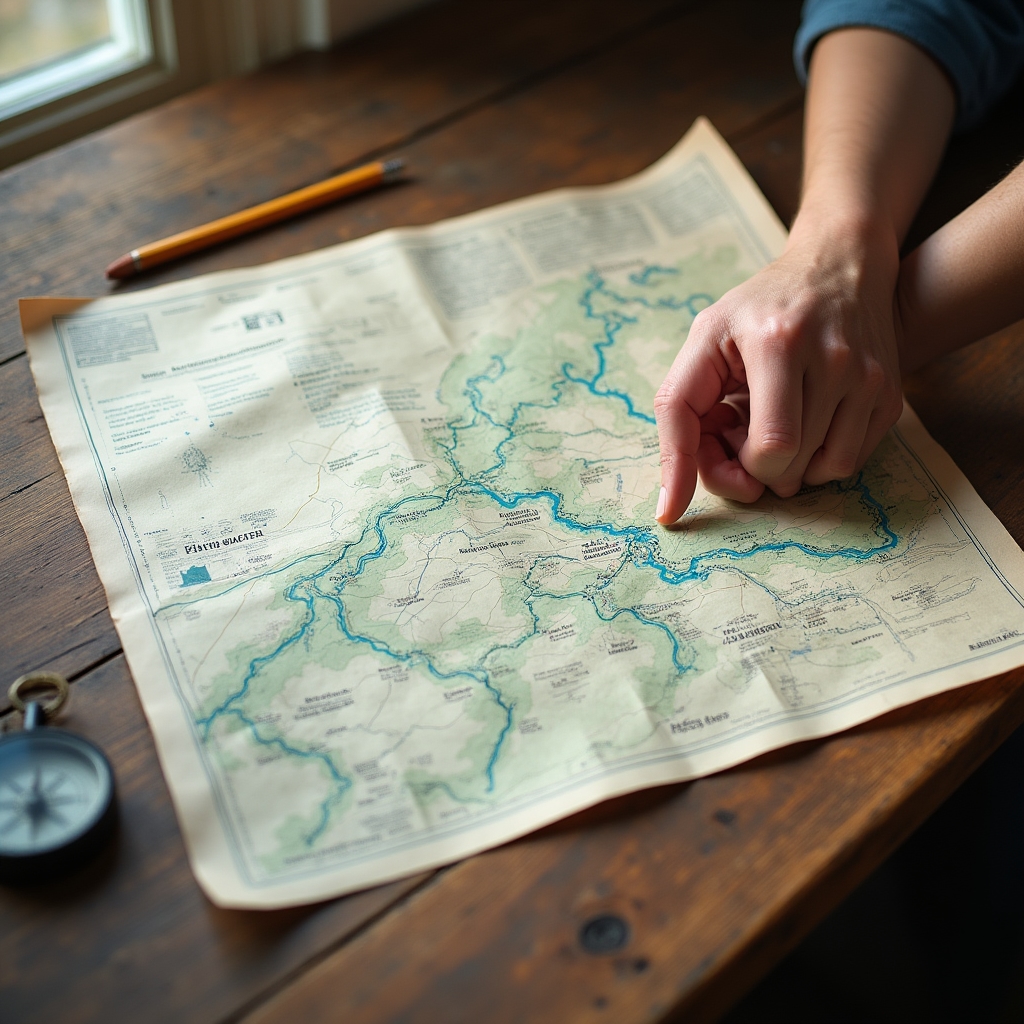
Detailed map view representing publicly maintained trail systems across a state

Public Trail Systems

Finding Publicly Maintained Trails in Any State

The National Recreation Trails database is a federally maintained list of publicly designated trails across all fifty states, and it is free to search without an account. Entries include trail length, surface type, permitted uses, and the agency responsible for upkeep.

The workshop shows how to search that database by state, filter by trail type, and cross-check a listing against a current trail conditions page before planning a route. It is a public records lookup, not a subscription tool, and the recording treats it that way.

  1. Search the database by state or region name
  2. Filter results by trail type: hiking, running, water, multi-use
  3. Check listed length, surface, and elevation notes
  4. Note the managing agency for current closure information

Before You Go

Reading Trail Difficulty Before You Ever Park the Car

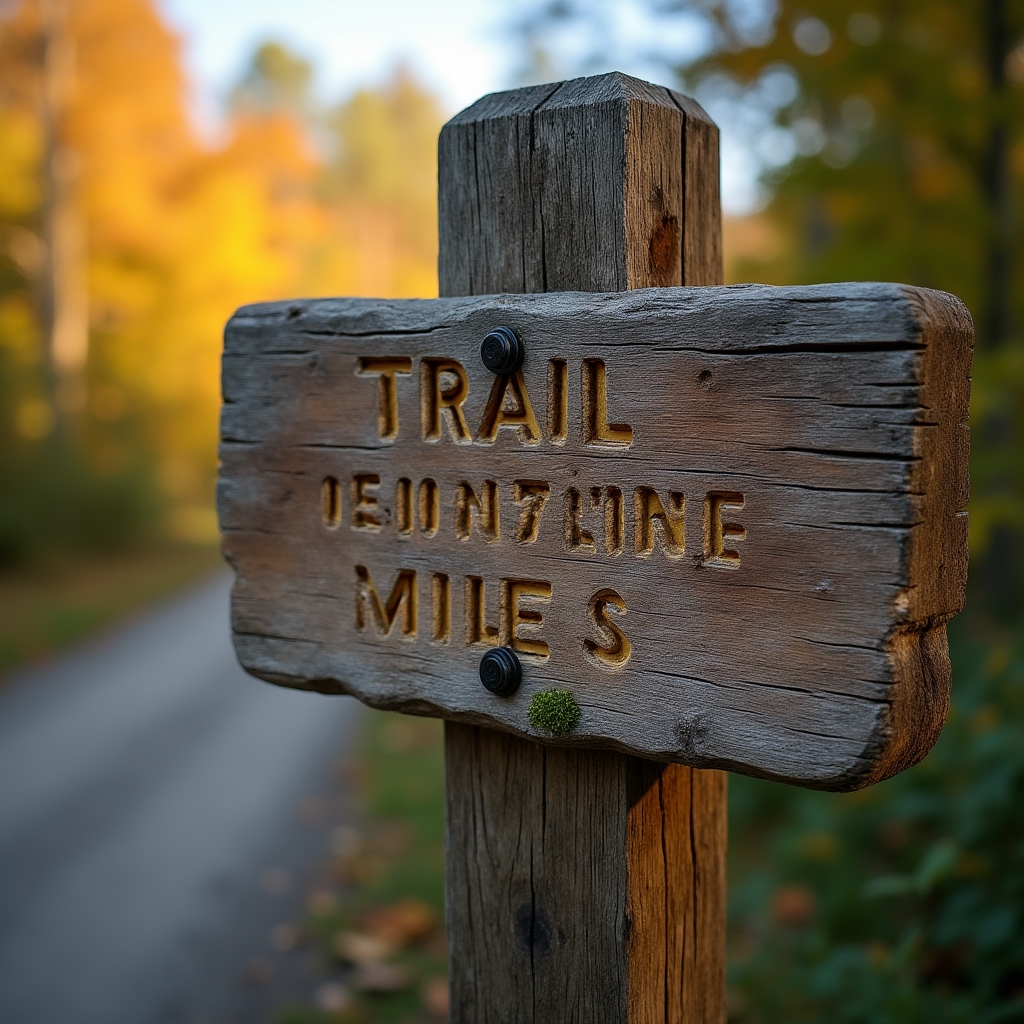
Difficulty ratings are not standardized across the country, so a moderate rating in one state park system can feel different from a moderate rating somewhere else. The workshop walks through reading elevation gain, total mileage, and surface notes together instead of relying on a single word.

A short trail with sharp elevation gain can be harder than a longer, flatter one, and the recordings use real trailhead signage to show that comparison. The Label Reading Courses page goes further into how individual trail systems mark this information.

Close up of a wooden trailhead sign showing trail difficulty and distance markers

Safety Without Bulk

What Actually Belongs in a Daypack

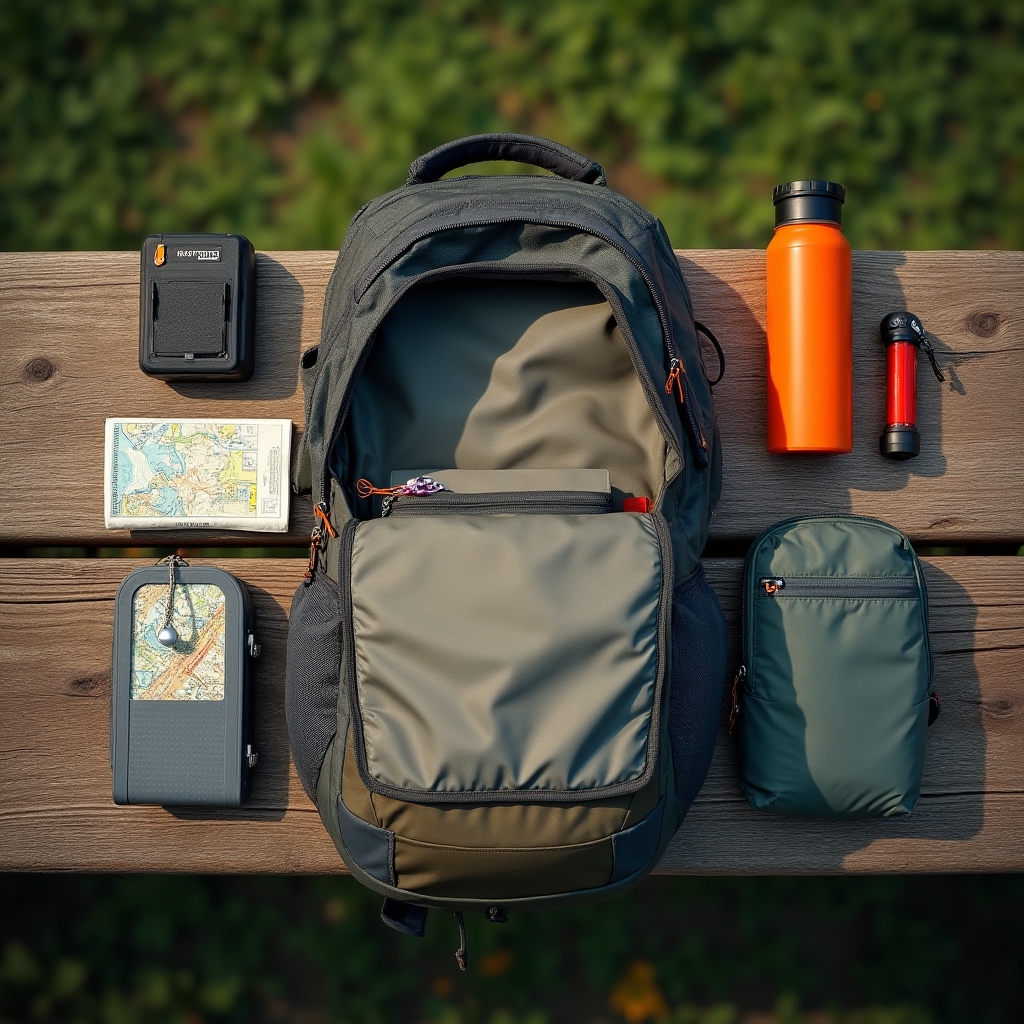
A daypack built for a three-hour trail run does not need the same contents as one built for a six-hour autumn hike, but a few items show up in both. The workshop separates what is situational from what stays in the pack regardless of season.

Overpacking adds weight without adding safety, and the recording spends real time on what to leave at home. The list below reflects what gets covered on camera, not a purchasing checklist.

Open daypack showing basic safety essentials laid out for a day hike
  • Water plus a lightweight way to treat more if the route allows it
  • A wind or rain layer sized to the season, not the heaviest one owned
  • A basic first aid kit sized for blisters, cuts, and minor sprains
  • A map or offline trail app that does not depend on cell signal
  • A whistle and a small light source, even for a daytime outing

Curious Which Season to Start With?

The four modules were filmed independently, so starting with whichever season is closest on the calendar works fine. Nothing in one recording assumes you have already watched another.